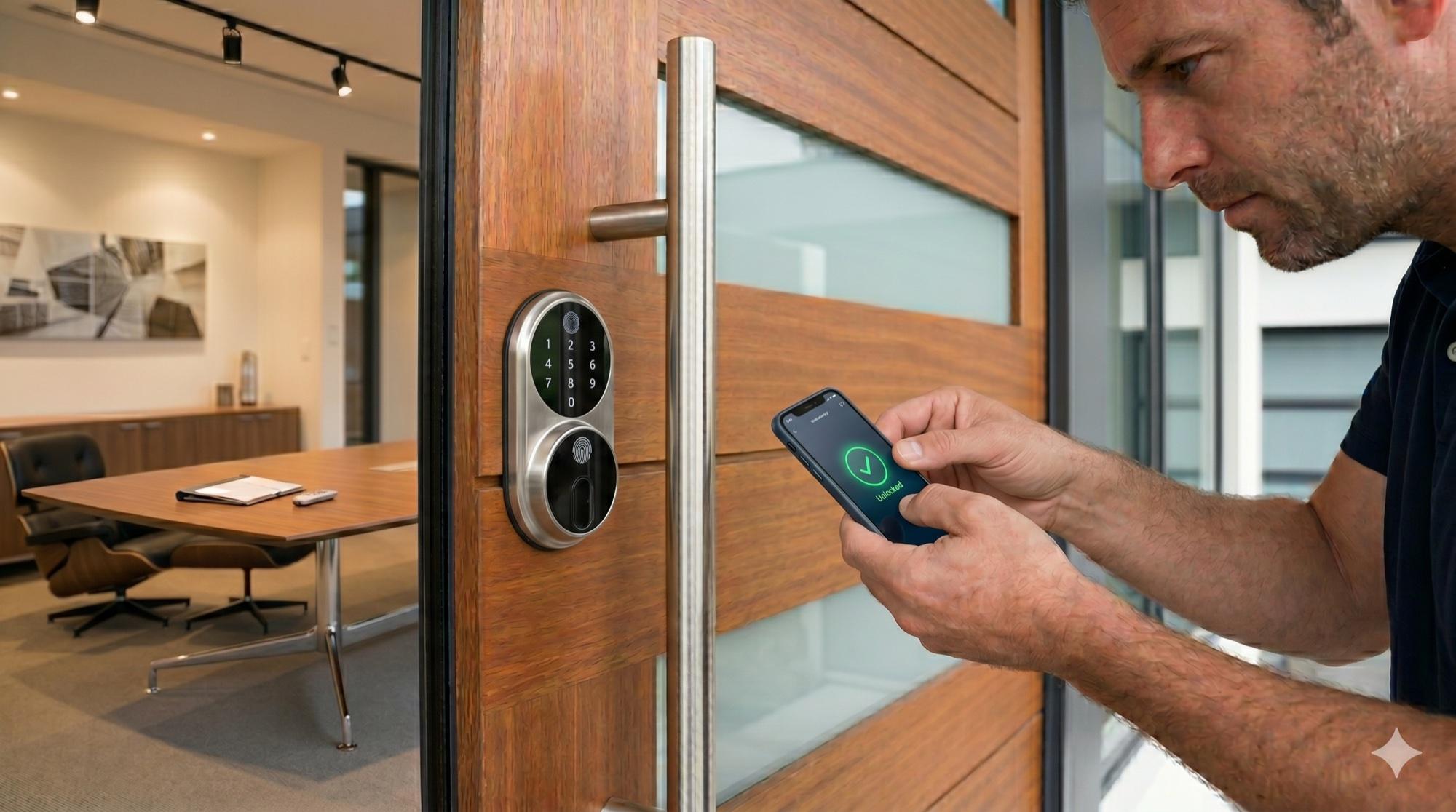
Access management doesn't have to be either analogue or fully digital. kolula KEY shows how hybrid solutions built from digital locking cylinders and connected key depots cut costs, simplify processes and make existing infrastructure easier to use.
Why access management is a real problem today
Monday morning on a construction site: a technician stands in front of the container – but the key isn't there. It's still with a colleague from Friday. The site manager is unreachable. The working day starts with waiting instead of working.
What sounds like an isolated case is everyday reality in many settings. Because access is rarely static. In practice, who needs access, when they need it and how long it stays valid changes constantly. Teams rotate, service providers come and go, spaces are used temporarily, keys have to be handed over and returned.
Access management is therefore long past being a simple “open the door, close the door” matter. It's an operational factor – and in many cases a genuine bottleneck. This is exactly where classic key management quickly hits its limits:
- Keys get lost or aren't returned on time
- Handovers create coordination effort and waiting times
- There's no transparency about who had access and when
- Existing spaces and infrastructure are underused
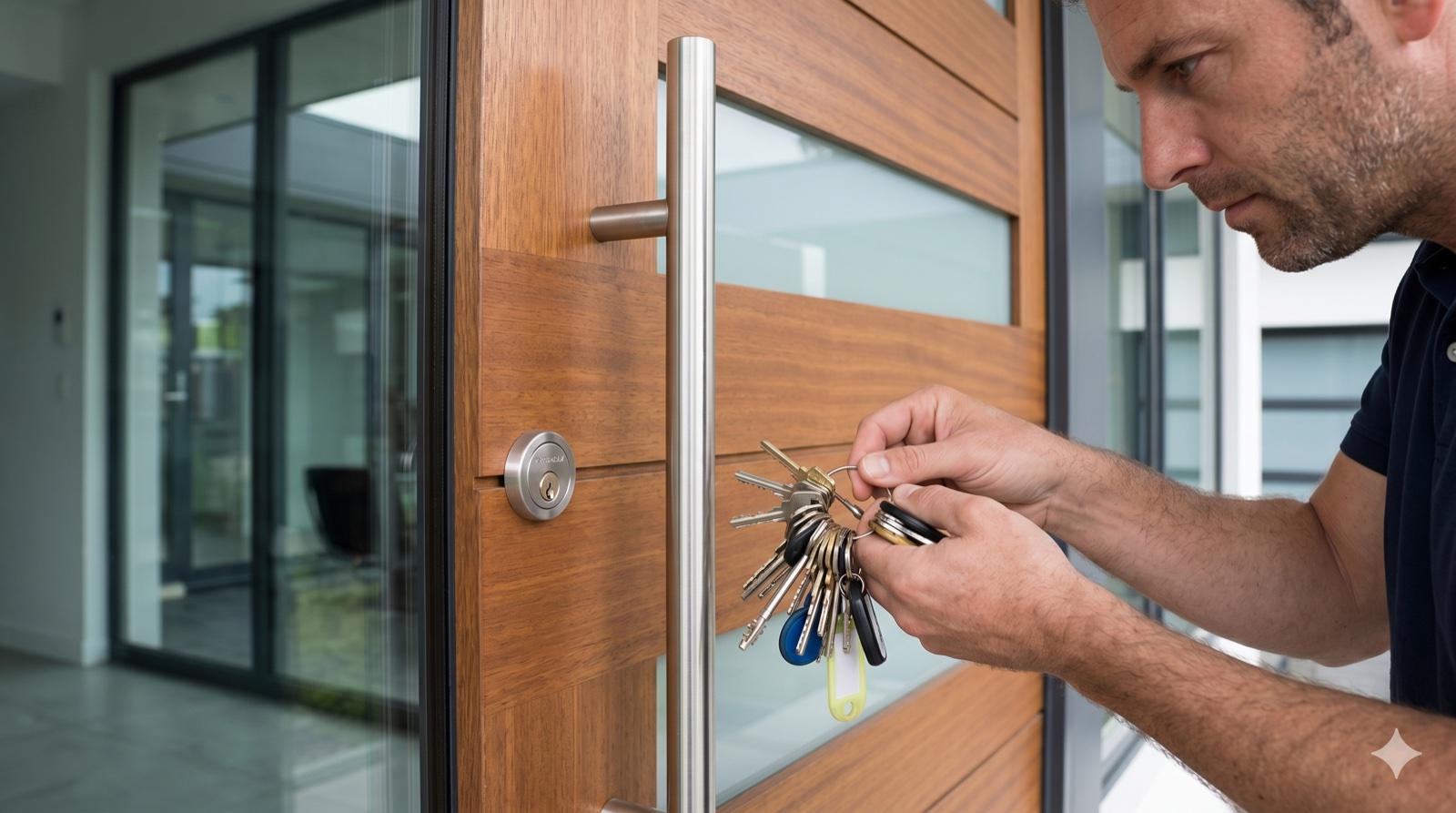
Analogue keys or digital access control: the wrong either-or
Many organisations face two classic options when it comes to access control.
On one side are mechanical keys. They are cheap, robust and available everywhere. At the same time, there's almost no transparency: who holds which key? Was it passed on? Has it been lost? When was a room actually used?
On the other side are digital access systems with electronic locking cylinders, central control and event logs. These solutions offer significantly more control, but they are often costly. Every additional door means additional hardware, installation, maintenance and rollout effort.
The result is an economic dilemma: either low cost with little control – or high control at high cost. In practice, that thinking is often too rigid. Because not every door needs the same technical solution.
The thinking error: not every door needs to be digitised
A common reflex is: if digital is better than analogue, then ideally every door should be equipped digitally. Technically that's possible. Economically it often isn't sensible.
Digital locking cylinders aren't a pure software topic. They require hardware, installation, configuration and ongoing maintenance. Costs rise with every additional door. At the same time, rollout complexity grows – especially in existing buildings, temporary infrastructure or distributed locations.
The decisive point is: not every access point is equally critical. A central building entrance or area access often needs a high degree of control and traceability. For downstream doors, a simpler but cleanly organised solution is enough in many cases.
Efficient access management therefore doesn't come from maximum digitisation, but from the targeted use of the right technology.
kolula KEY: hybrid access management instead of a one-size-fits-all approach
kolula KEY follows exactly this approach: digitise where control is necessary – simplify where that's enough. Instead of equipping every door with expensive hardware, kolula KEY combines digital access technology with pragmatic key management.
Access is web-based via a web app. Users need no NFC card, no Bluetooth key and no extra fob. Access rights can be granted, changed or revoked centrally. That makes kolula KEY not a rigid locking system, but a flexible access management system for dynamic usage situations.
This creates three central advantages:
- Access can be controlled remotely
- Usage becomes traceable
- Physical handovers are replaced by digital approvals
Digital locking cylinders: control at central access points
kolula KEY consists of two building blocks that can be used individually – but are especially strong in combination. The first are digital locking cylinders.
They are connected online and can be controlled via the web app, so access rights can be managed centrally and usage documented. An important advantage: when a lock is opened, information is generated both from the locking system and from the application. This makes it easier to trace which access was used and when.
Digital locking cylinders are especially suited to places where access has to be securely controlled and traced, such as:
- Building entrances
- Area access points
- Container facilities
- Central, high-relevance doors
kolula KEY Locker: manage mechanical keys digitally
The second building block is the kolula KEY Locker: a connected key depot for mechanical keys. Mechanical keys stay in use – but are embedded into a digital process. Users open a specific compartment via the web app, take out the key and return it later. This turns the KEY Locker into a smart locker for keys.
There's no need for a personal handover, no PIN notes and no extra access tokens. The KEY Locker also works as a standalone solution, for example for:
- Key handovers via kiosks or central locations
- Guest apartments
- Temporary key handovers
- Permanently booked key compartments
- Service or emergency access
The biggest lever: the hybrid combination
The real strength comes from combining both building blocks. A typical setup looks like this: a digital locking cylinder is used at the central entrance. Behind that door sits a kolula KEY Locker holding mechanical keys for further rooms, apartments, containers or areas.
The core idea is simple: not every door has to be digital for the process to work digitally. That's exactly where the economic advantage lies. The result is hybrid access management:
- Central door digitally controllable
- Downstream doors still usable mechanically
- Key withdrawal and return digitally traceable
- Significantly less expensive hardware required
Economic benefits of hybrid access solutions
The hybrid approach pays off in several places. Instead of fitting every door with a digital locking cylinder, digital hardware is deployed in a targeted way. This reduces investment costs, installation effort and maintenance – especially with many doors, temporary structures or distributed locations.
At the same time, existing infrastructure is used better. When keys no longer have to be handed over in person, waiting times and usage gaps disappear. Spaces such as event areas, guest apartments or shared spaces become easier to book, use and release again – which can mean more revenue from space you already have.
With a connected key depot, keys stay in defined places, and withdrawal and return are traceable. That lowers the risk of lost keys and expensive lock replacements. And because many manual processes fall away, access management shifts from a constant organisational overhead to a standardised digital process – simpler for users too, who neither pick up keys nor manage a card or fob.
Benefits at a glance
- Lower investment and maintenance costs through targeted hardware use
- Better utilisation of existing infrastructure
- Fewer lost keys and lower security risk
- Less operational effort and manual coordination
- Better user experience via the web app
Typical use cases for kolula KEY
Hybrid access management is especially useful when usage is dynamic and access points change regularly.
On construction sites and with container solutions, teams, technicians and service providers change constantly. kolula KEY enables digital access to central areas and organised key distribution on site.
In temporary accommodation and housing solutions, turnover is high – access has to be granted, changed and traced quickly.
In senior living and care, staff need controlled access while residents should stay as independent as possible. Digital building access combined with a KEY Locker in the entrance area helps without retrofitting every single apartment.
For decentralised key handover, a KEY Locker can be installed in a kiosk or at a central location – ideal for guest apartments, temporary use or service cases. And for event spaces and shared spaces, access is often the bottleneck: remove the handovers, and rooms become easier to book and better utilised.
Conclusion: the future of access management is hybrid
Back to the start: the technician can't get into the container – not because the door is broken, but because access isn't well organised. This is exactly where kolula KEY comes in.
Instead of choosing between analogue key chaos and expensive full digitisation, a third way emerges: hybrid access management. kolula KEY creates control where it's needed and stays simple where simplicity is enough. Digital locking cylinders and connected key depots complement each other into a solution that is economically scalable, operationally practical and easy for users to understand.
The future of access management isn't maximally digital. It's intelligently combined.
Insights, product updates and customer stories from the kolula world.
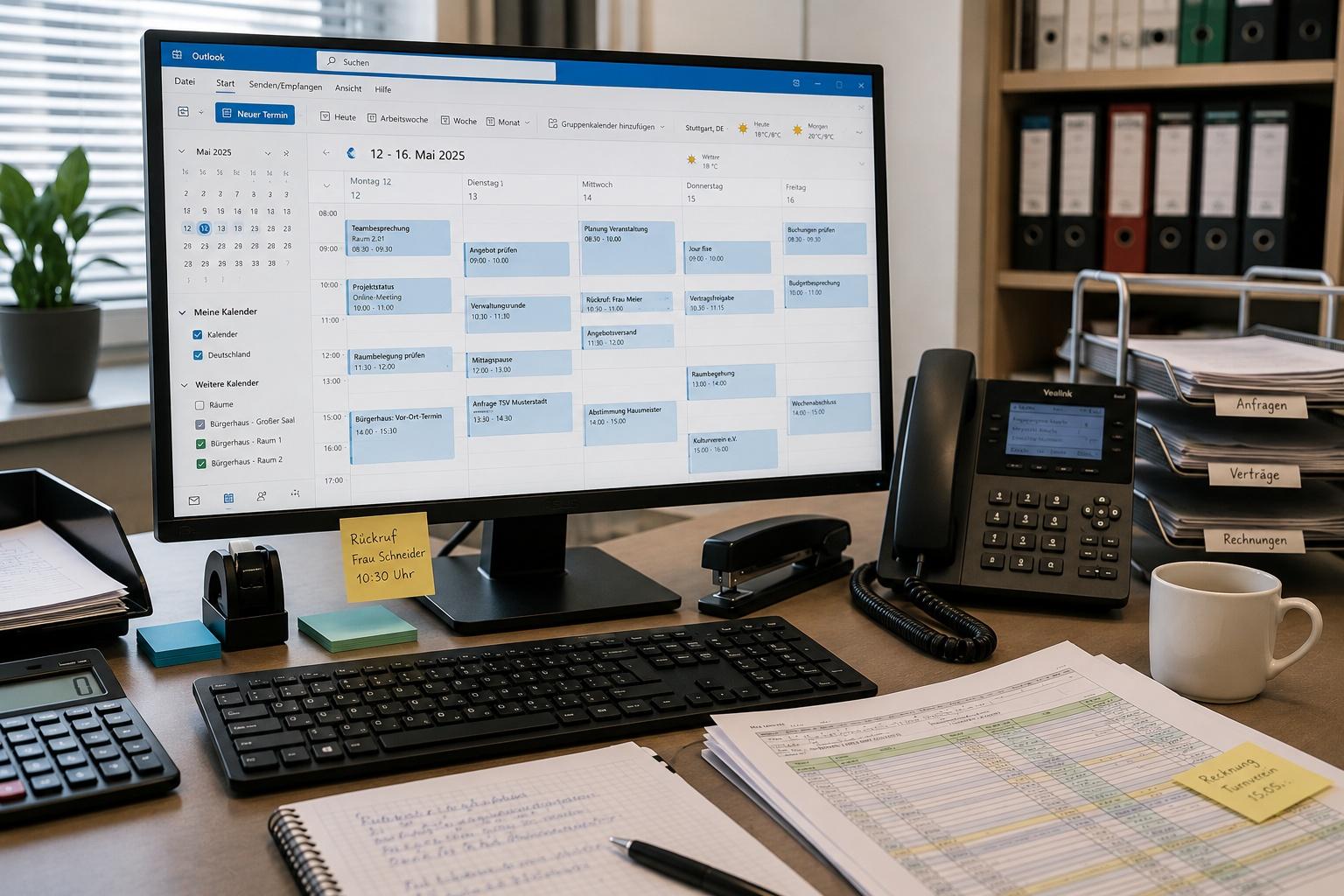
Less effort in room management: 7 common time-wasters — and how to avoid them
How digital room management reduces repetitive tasks, streamlines processes, and lightens the workload for employees in their day-to-day work.
Read article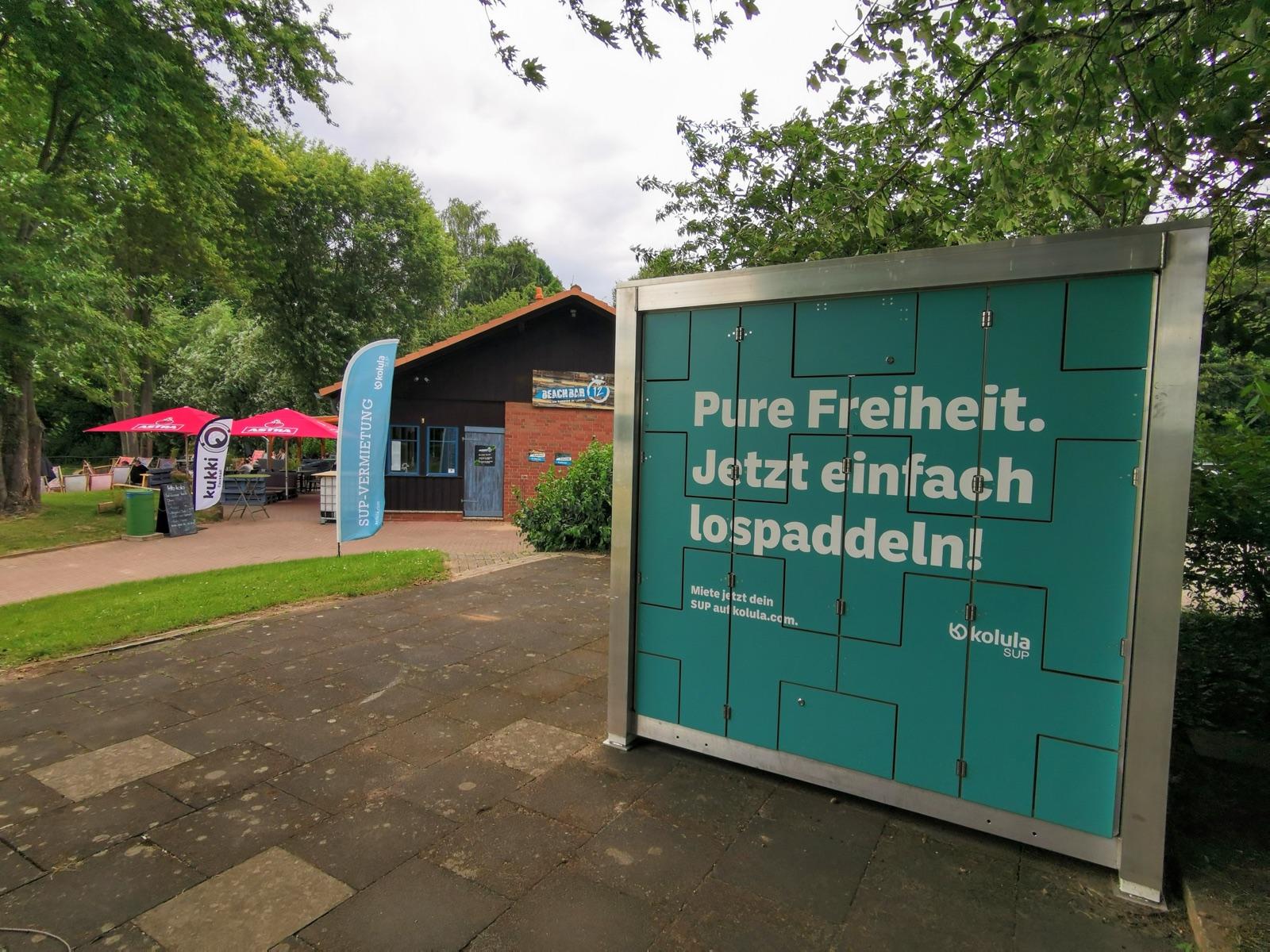
Activating public waterfront access
How towns and tourism regions activate unused shorelines — without their own budget or staff.
Read article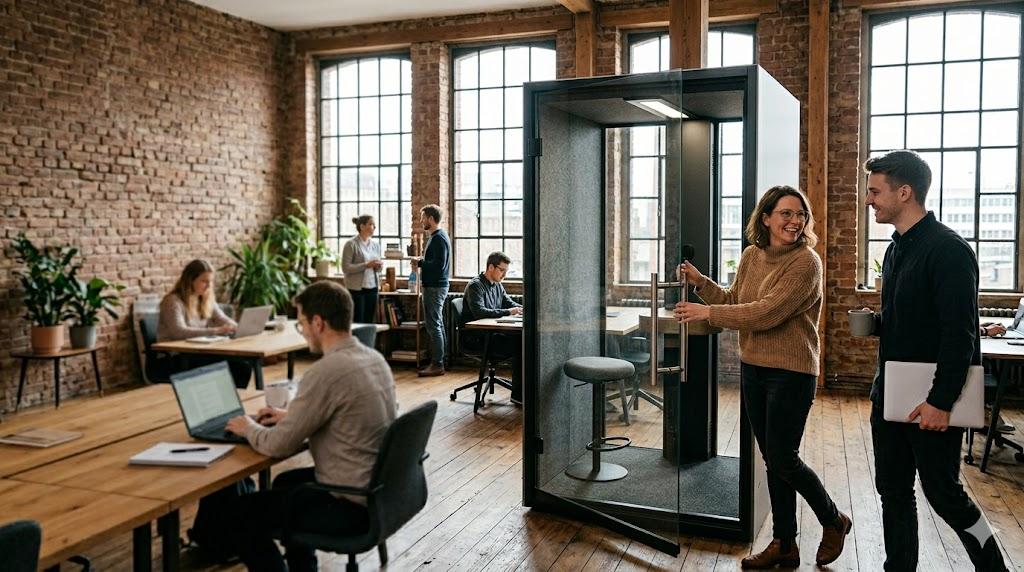
Community is the reward. Operations are the job.
Why the operating system of a coworking space is not the newsfeed — but booking, access and usage.
Read article
Making rooms bookable online
How organisations can make better use of existing infrastructure
Read article
Product rentals, reimagined
Rent instead of buy — sustainable, flexible and cost-saving
Read article
Private handovers, simple and secure
Smart lockers as a safe meeting point for marketplace users
Read article
Automated 24/7 guest check-in
How kolula makes key handover effortless
Read articleWant to know more?
In a short call we’ll show how kolula can map to your requirements.