Many shorelines sit unused: beautiful, but with nothing on offer. At the same time, residents and tourists are asking for experiences on the water. The obstacle is rarely the will — it's budget, staff and liability. That's exactly where a bookable station comes in.
The usual hurdle: “every attraction costs budget and staff”
In municipal practice, a new leisure offering usually means investment, operation, supervision and insurance. That stalls good ideas. A self-service SUP station sidesteps this logic because it doesn't have to be bought or operated by the municipality.
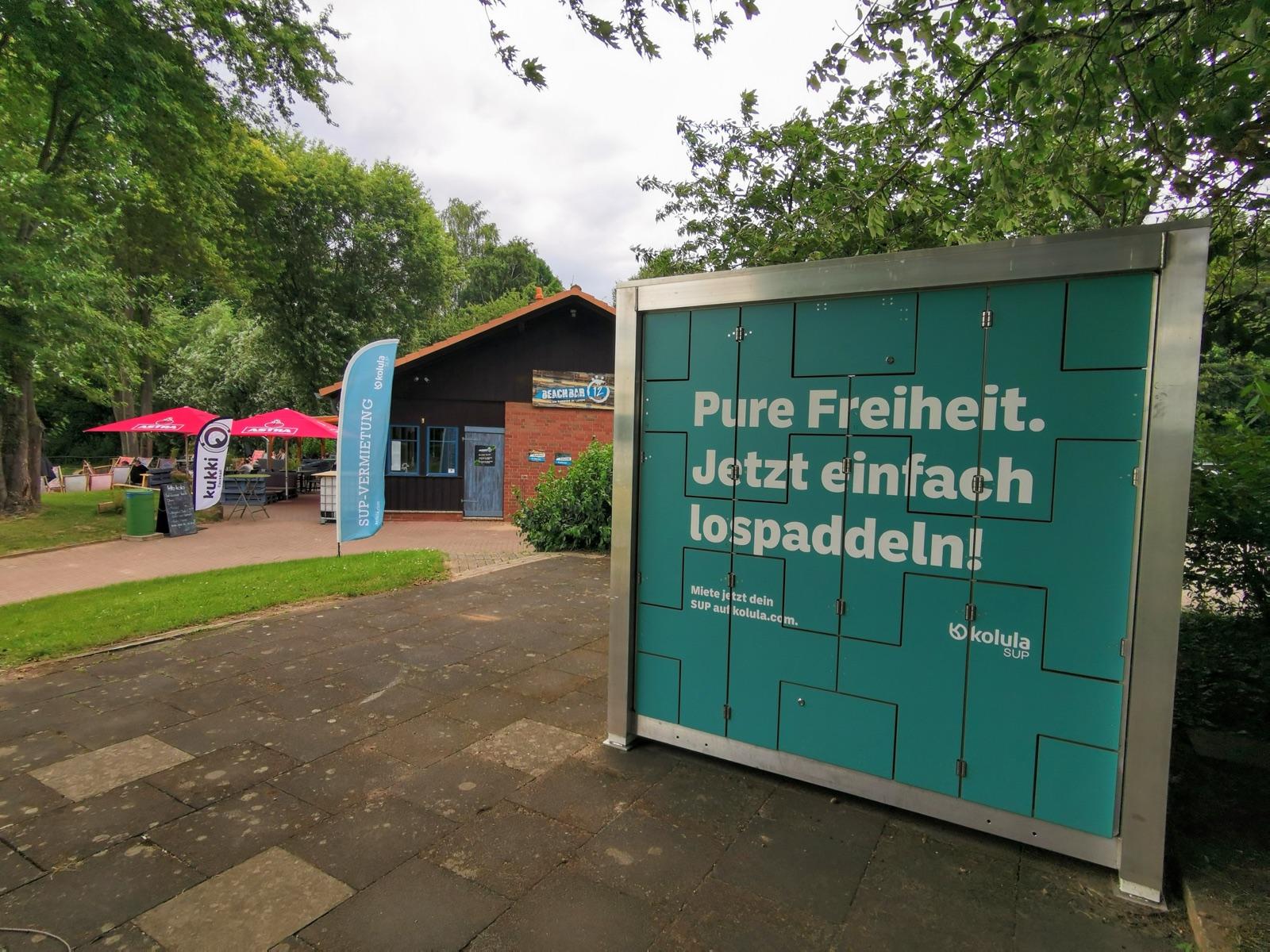
The station is a mobile, lockable box for 6 to 12 boards (SUPs, kayaks, canoes or other watersports gear) placed on the shoreline. Booking, payment and access are fully digital — operational responsibility doesn't land on the public works department.
How a public waterfront becomes an attraction
In four steps, an unused shoreline becomes a lively, bookable offering:
- Identify suitable access: safe water access without strong current or motorboat traffic.
- Have the station placed: mobile, no major construction, optionally in the region's design.
- Make it bookable: visitors find, book and pay via app and receive controlled access to a board.
- Activate & monitor: the access point gets used without the municipality renting gear or providing supervision.
Safety and control — the most important question first
With public spaces, one question always comes up: who is liable, and how does access stay orderly? A bookable station answers both. Every board is assigned to an identified, paying user; access happens through a locker rather than gear lying around freely. There's no uncontrolled informal rental, but a traceable, digitally documented process.
The result is orderly use instead of a free-for-all — an argument that counts in council and administration.
A fit for gentle, nature-friendly tourism
A station guides visitor flows to defined, suitable points instead of spreading them across the whole shoreline. Utilisation can be managed through time slots, avoiding overcrowding. That makes the offering part of a sustainable-tourism strategy: more appeal, without overwhelming nature or local residents.
Frequently asked questions
Does the municipality have to buy or operate the equipment? No. The station is provided and runs independently. Booking, payment and access are digital — the municipality essentially provides the location.
How is secure access regulated? Every board is assigned to an identified, paying user via app. Access is controlled through lockers rather than freely accessible gear.
Is it suitable for ecologically sensitive lakes? Yes, provided there is safe water access. Use can be steered through time slots and a defined location to avoid overcrowding.
What does the location need to meet? Safe water access without strong current or motorboat traffic, and a suitable shoreline area for the mobile station.
Bottom line
Public waterfront access is an underrated asset. With a bookable self-service station it becomes an attraction for residents and guests — no budget burden, no staff, and clearly regulated, secure access. This is infrastructure that activates rather than weighs down.
Insights, product updates and customer stories from the kolula world.
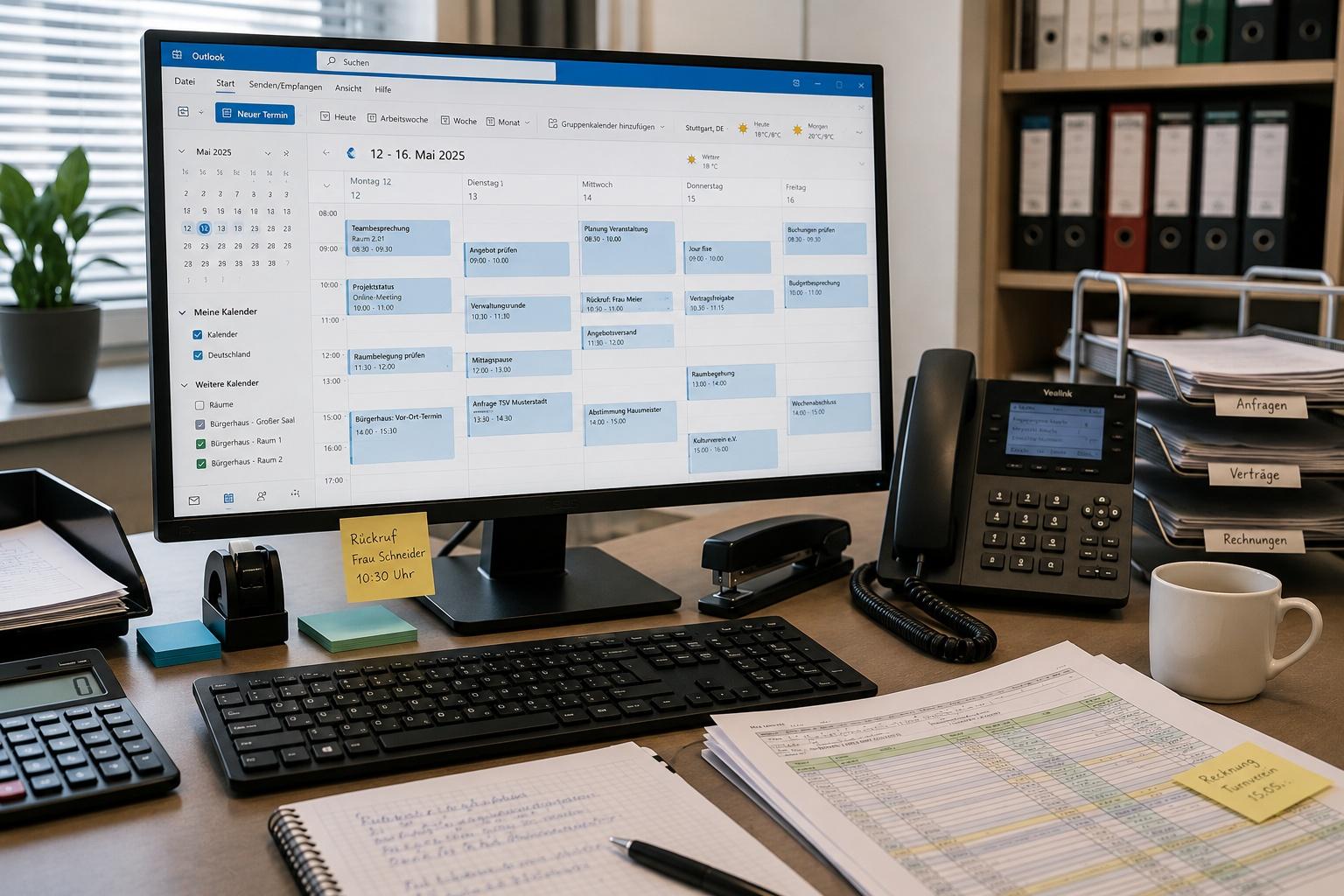
Less effort in room management: 7 common time-wasters — and how to avoid them
How digital room management reduces repetitive tasks, streamlines processes, and lightens the workload for employees in their day-to-day work.
Read article
Community is the reward. Operations are the job.
Why the operating system of a coworking space is not the newsfeed — but booking, access and usage.
Read article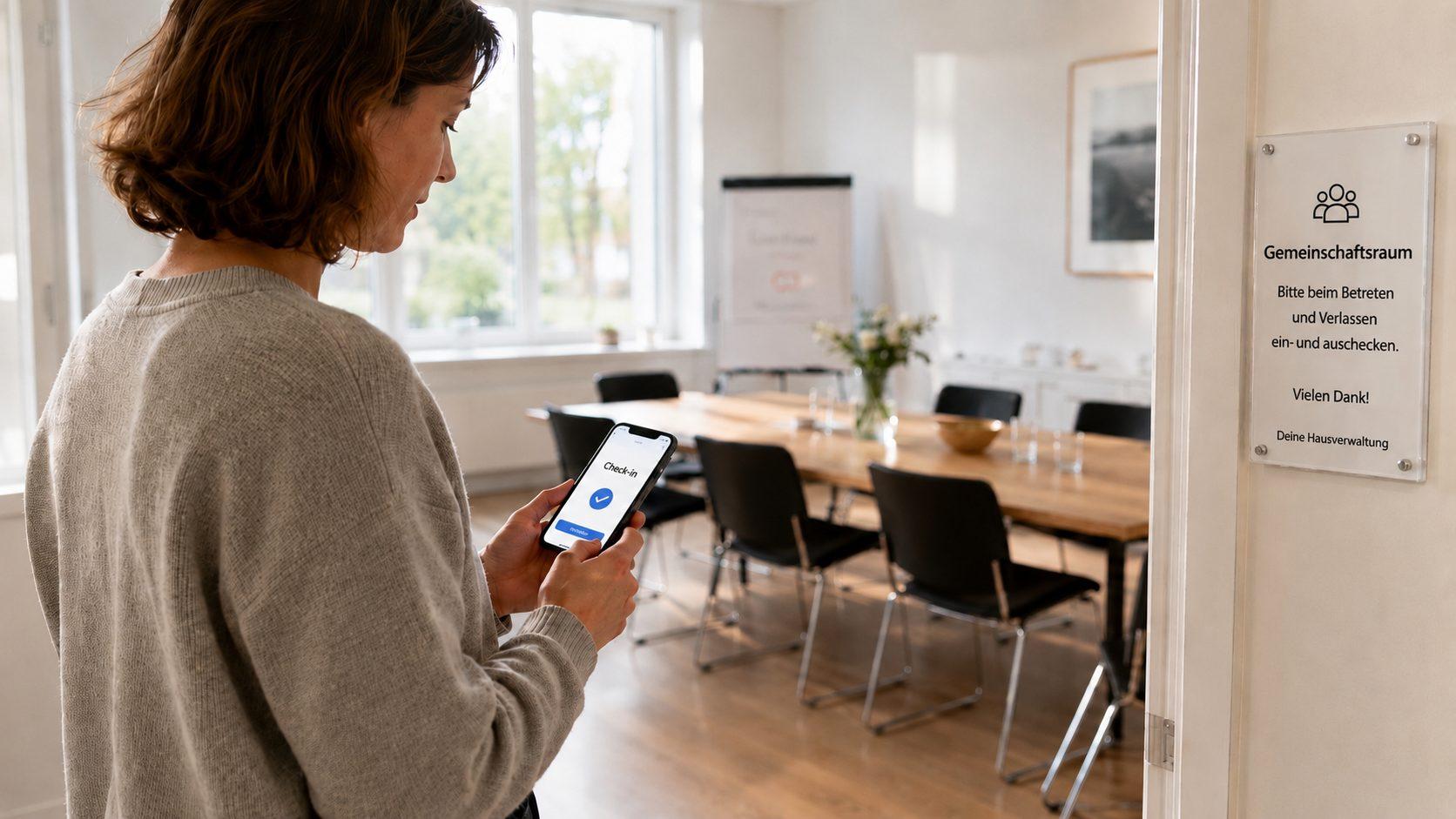
Making rooms bookable online
How organisations can make better use of existing infrastructure
Read article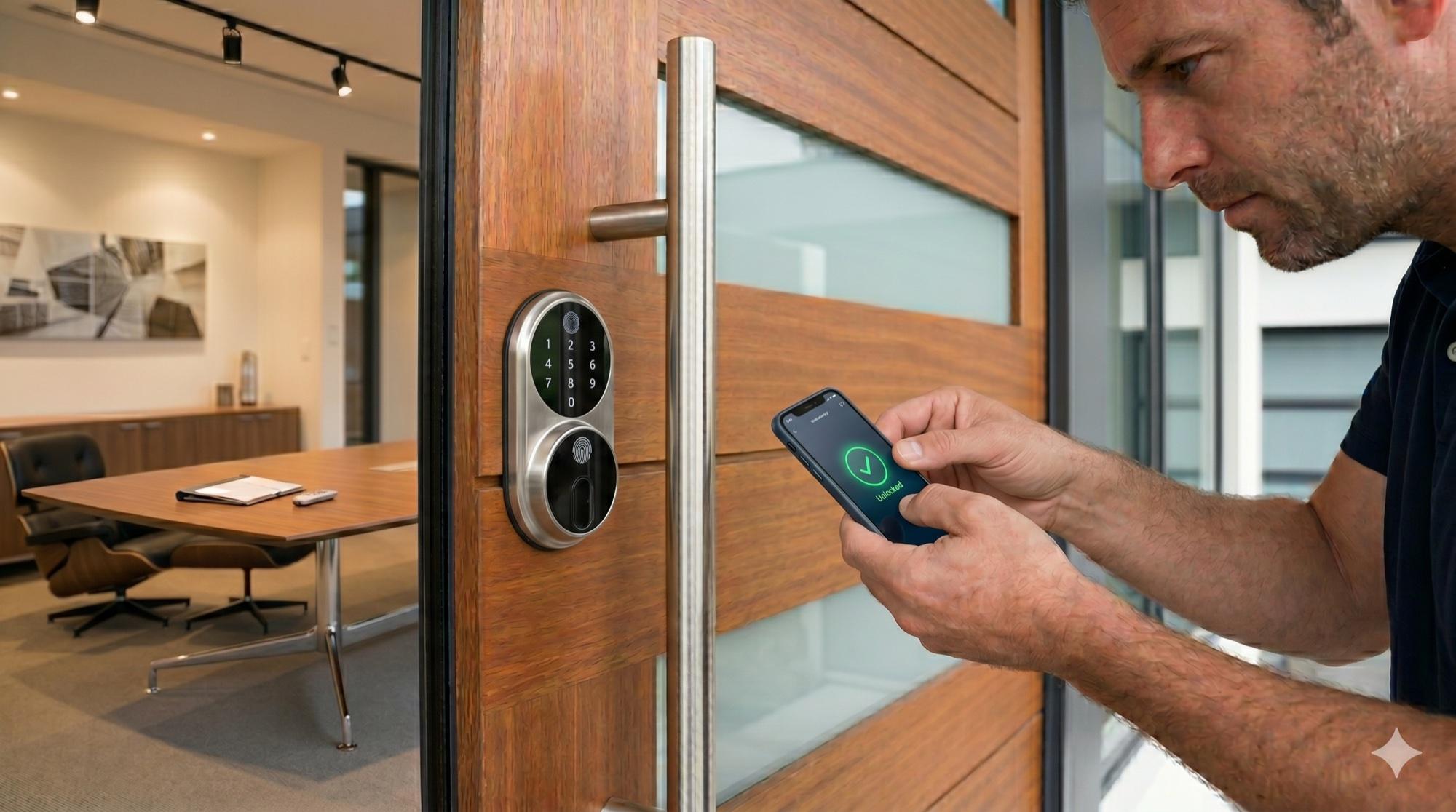
Digital access management with kolula KEY
Why hybrid access solutions are more cost-effective
Read article
Product rentals, reimagined
Rent instead of buy — sustainable, flexible and cost-saving
Read article
Private handovers, simple and secure
Smart lockers as a safe meeting point for marketplace users
Read article
Automated 24/7 guest check-in
How kolula makes key handover effortless
Read articleWant to know more?
In a short call we’ll show how kolula can map to your requirements.